Spotlight
A deeper look at one topic worth understanding right now

AI Is Already Running Parts of Space — Here's What That Means
Autonomous systems aren't a future promise in the space industry — they're operational right now. NASA's Perseverance rover drives itself across Mars using onboard hazard detection. Satellites make real-time collision avoidance decisions without waiting for instructions from Earth. Ground stations use machine learning to filter petabytes of observation data into usable science.
The question isn't whether AI belongs in space. It's how much control we're comfortable handing over — and what happens when autonomous systems make decisions humans can't easily override from 140 million miles away.
Read the Full Deep DiveExplore the Science
Four areas where research is moving fast and the stakes are genuinely high
Machines That Think in Space
From rovers that navigate themselves to satellites that dodge debris without waiting for commands — autonomous systems are already running critical operations. We track where AI is deployed, where it's heading, and what it changes.
Explore AI & Autonomy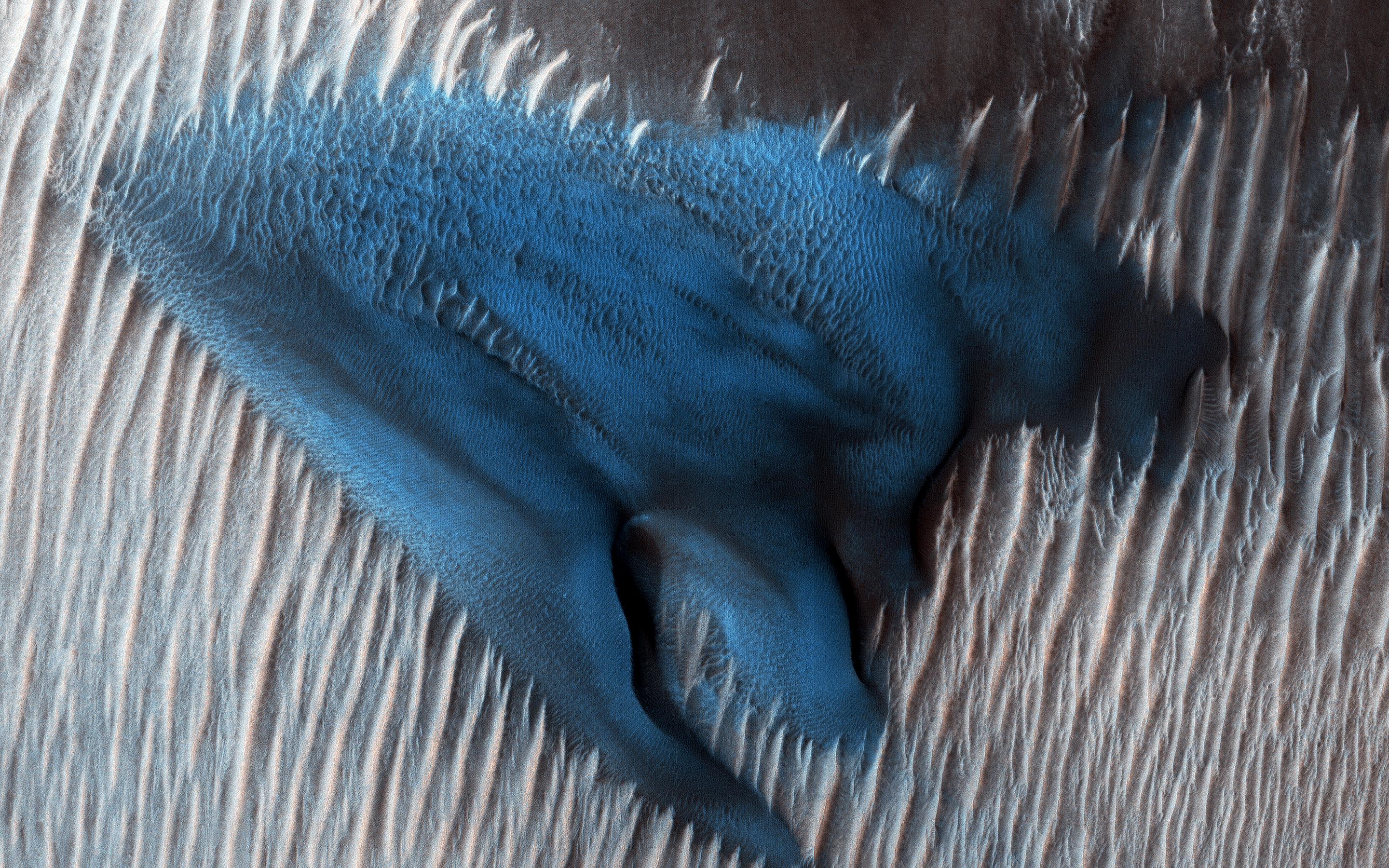
The Search for Life Beyond Earth
Is there life on Europa? Could Mars have once harbored microbes? Astrobiology sits at the intersection of chemistry, biology, and space exploration — and the answer to its central question would change everything.
Explore Astrobiology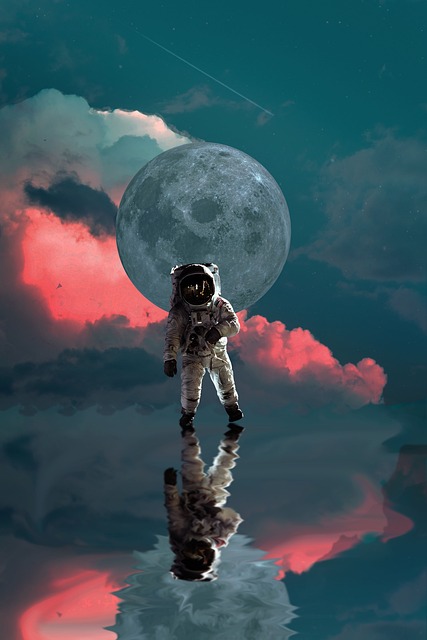
What Space Does to the Human Body
Bone loss, muscle atrophy, vision changes, and the cognitive effects of isolation — long-duration spaceflight stresses the body in ways we're still learning to manage. Here's what we know, and what still needs to be solved before Mars.
Explore Space Medicine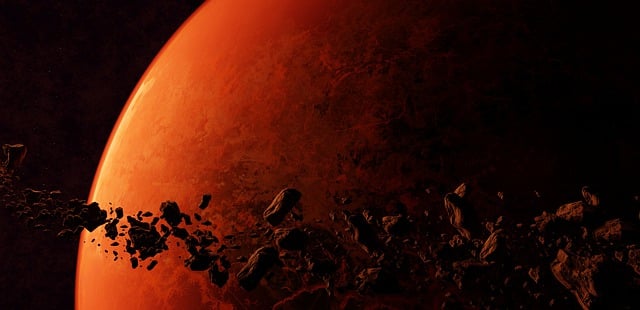
Watching Earth from Above
The most comprehensive view of our planet's climate comes from orbit. Satellites track ice melt, sea level rise, deforestation, and atmospheric chemistry in ways no ground station can match. Space science is climate science.
Explore Climate ScienceFive Things Worth Knowing
Quick science facts that put the scale of this work into perspective
DNA repair in space is measurably different
Cosmic radiation causes DNA strand breaks at a higher rate in space than on Earth. Studies from the ISS Twin Experiment showed that some of Scott Kelly's gene expression changes persisted months after returning — a finding that's reshaping how we think about long-duration spaceflight risk.
Europa has more liquid water than all of Earth's oceans combined
Jupiter's moon Europa has a subsurface ocean kept liquid by tidal heating. It's one of the most compelling candidates for extraterrestrial life in our solar system — and NASA's Europa Clipper mission is already en route to study it.
Mars rovers now plan their own daily science schedules
AEGIS (Autonomous Exploration for Gathering Increased Science) lets the Curiosity rover autonomously identify and photograph scientifically interesting targets without waiting for commands from Earth — cutting the communication delay out of the science loop entirely.
Satellites detected the Hunga Tonga eruption before seismometers did
The 2022 Hunga Tonga–Hunga Ha'apai volcanic eruption was captured in full detail by weather satellites — including pressure waves circling the globe — within minutes. Earth-observing satellites have become indispensable early-warning infrastructure.
Quantum sensors in orbit could revolutionize GPS accuracy
Quantum clocks and quantum inertial sensors are being tested for space deployment. If successful, they would improve position accuracy to centimeter scale globally — without the vulnerabilities of current GPS infrastructure.
Don't miss a launch
Launch alerts, sky events, mission updates, and the stories worth reading — delivered free. No noise, no spam. Just the good stuff.
Free forever. Unsubscribe anytime.