🔴 Mars Operations
Three active rovers, four orbiters — humanity's most explored world beyond Earth.
Perseverance — Hunting Signs of Ancient Life
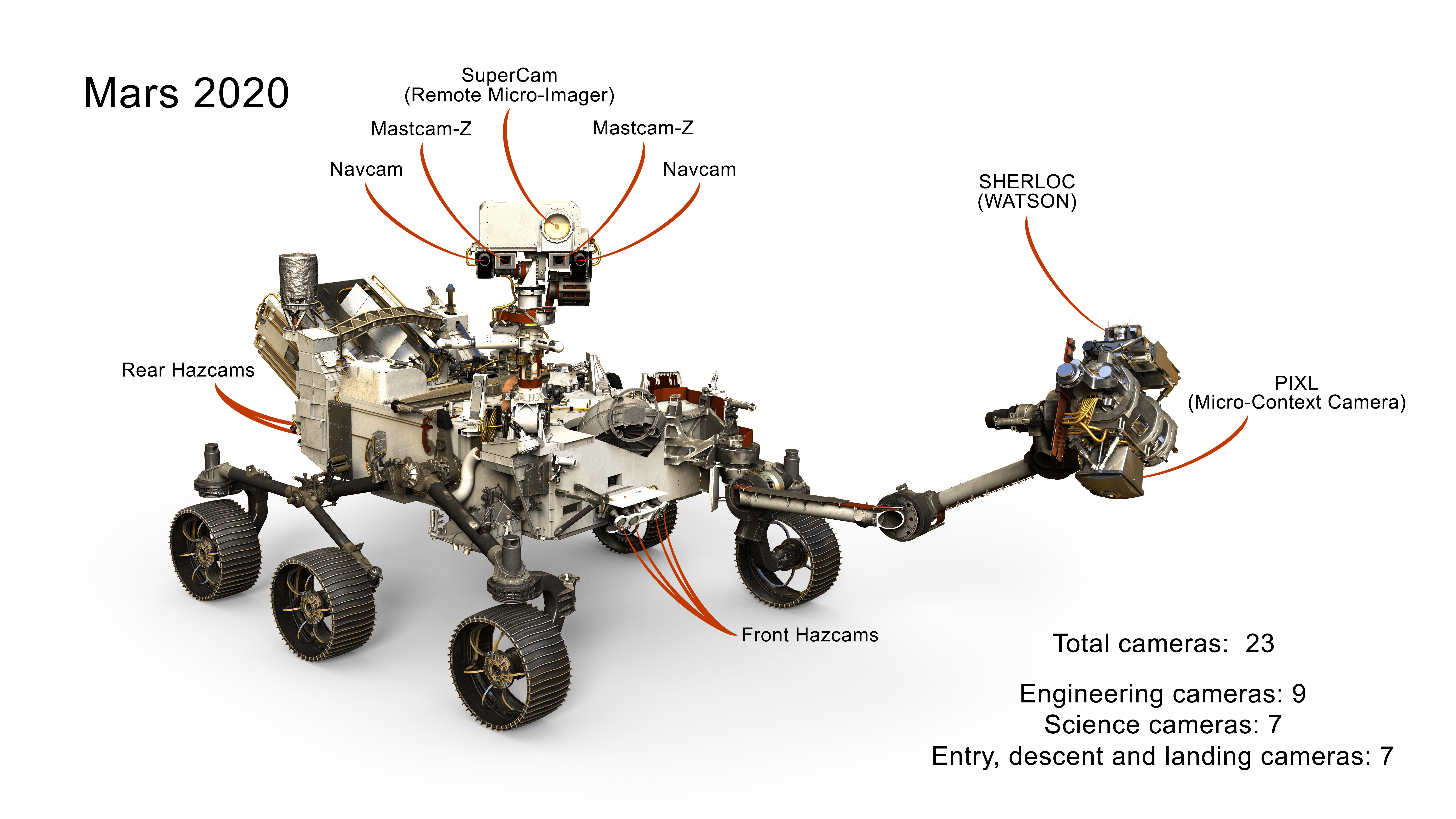
🇺🇸Exploring the ancient lakebed of Jezero Crater — a site chosen because it was once a lake fed by rivers, exactly the kind of environment where microbial life might have left a trace. Perseverance has collected dozens of rock core samples sealed in titanium tubes, waiting for a future sample return mission. Its companion Ingenuity helicopter completed 72 flights before retiring, proving powered flight works on another planet.
Now: Geological mapping of the ancient river delta, sample caching, atmospheric science. Every core is a potential time capsule from Mars's wet past.
Curiosity — 14 Years and Still Climbing
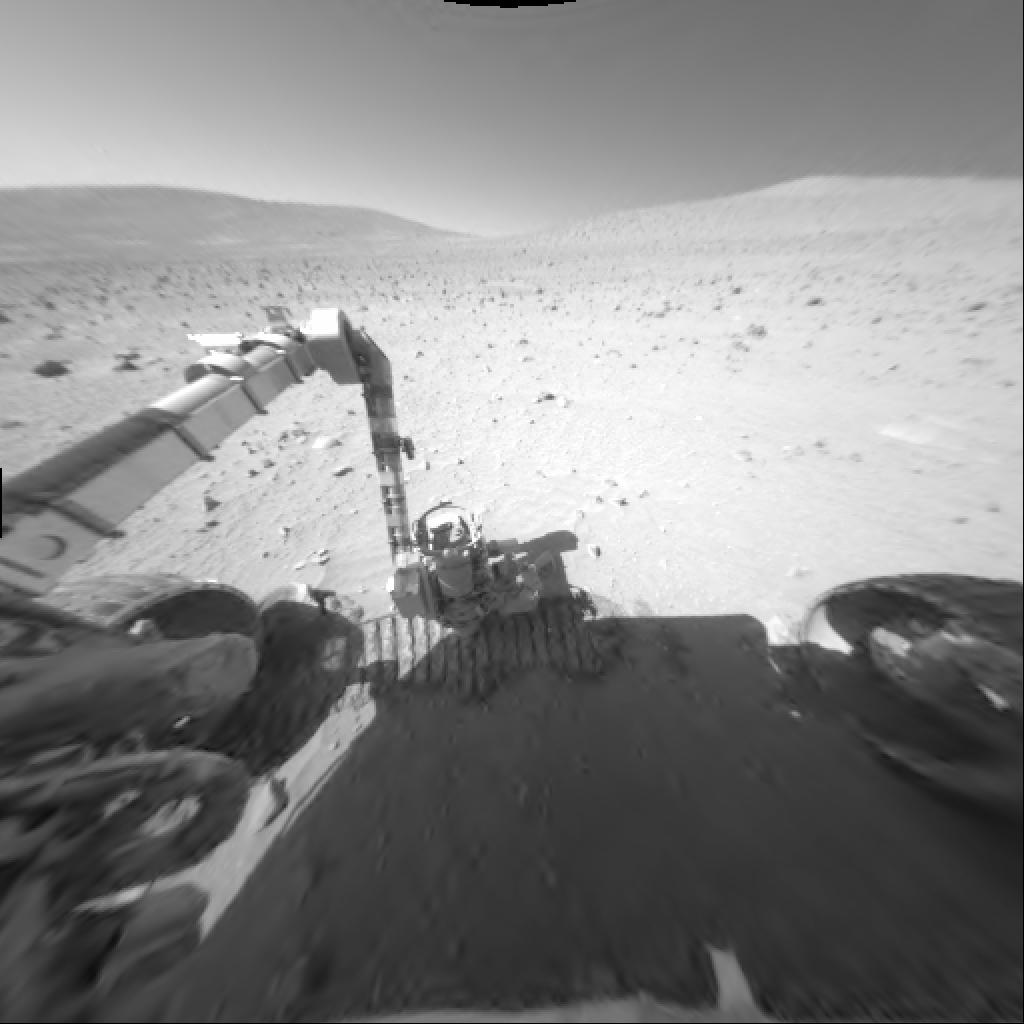
🇺🇸Now well into its second decade on Mars and still scientifically productive, Curiosity continues its slow ascent of Mount Sharp inside Gale Crater. The rover confirmed Mars once had liquid water and organic chemistry — the prerequisites for life. It's now studying sulfate-bearing rock layers that record the ancient climate transition from wet to dry. A testament to NASA engineering built to last.
The Mars Orbital Fleet
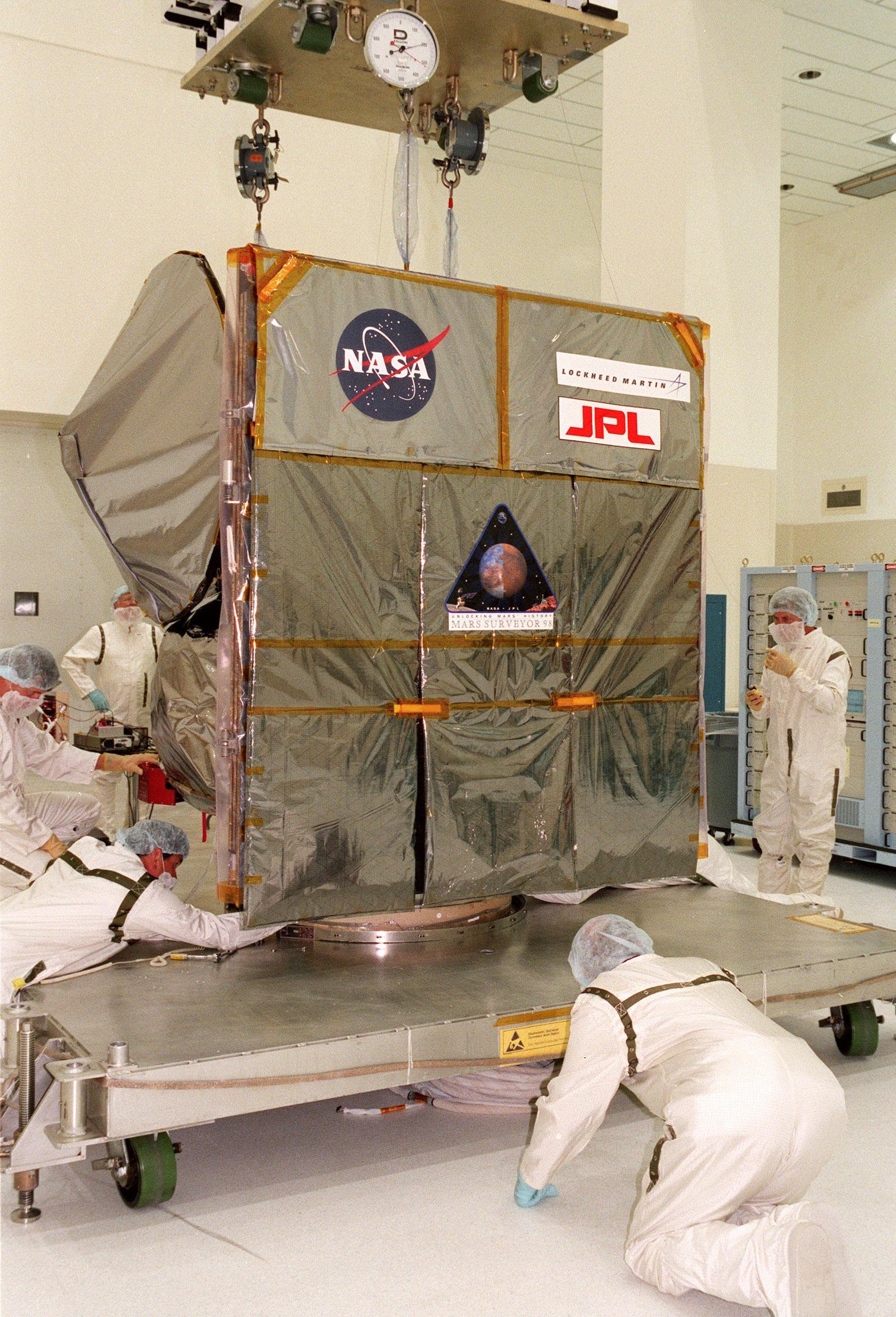
🇺🇸🇪🇺🇨🇳Mars Odyssey (NASA, 2001) — the longest-operating spacecraft at Mars, still relaying data. Mars Reconnaissance Orbiter (NASA, 2006) — provides ultra-high-resolution imaging and is the primary comms relay for surface missions. MAVEN (NASA, 2014) — studying how Mars lost its atmosphere to space. Trace Gas Orbiter (ESA/Roscosmos, 2016) — sniffing for methane and signs of geological or biological activity. Tianwen-1 Orbiter (CNSA, 2021) — China's first Mars orbiter, still operational.
🛸 Deep Space Probes
Spacecraft en route to — or already studying — the outer solar system.

Europa Clipper — En Route to Jupiter's Ocean Moon
🇺🇸Launched October 14, 2024 on a SpaceX Falcon Heavy — the largest rocket ever used for a planetary science mission. Europa Clipper is heading to Jupiter to investigate whether Europa's subsurface ocean could support life. It used a Mars gravity assist in March 2025 and will swing past Earth in late 2026 before the final cruise to Jupiter. Nearly 50 Europa flybys are planned, studying the ice shell, ocean chemistry, and surface geology.

JUICE — Europe's Jupiter Mission
🇪🇺ESA's Jupiter Icy Moons Explorer launched April 2023 and is threading its way to Jupiter via multiple gravity assists. JUICE will study Ganymede, Callisto, and Europa before entering orbit around Ganymede — making it the first spacecraft ever to orbit a moon other than our own. It and Europa Clipper will arrive at Jupiter within a year of each other, giving scientists an unprecedented two-spacecraft view of the Jovian system.
Juno — Still Orbiting Jupiter After 10 Years
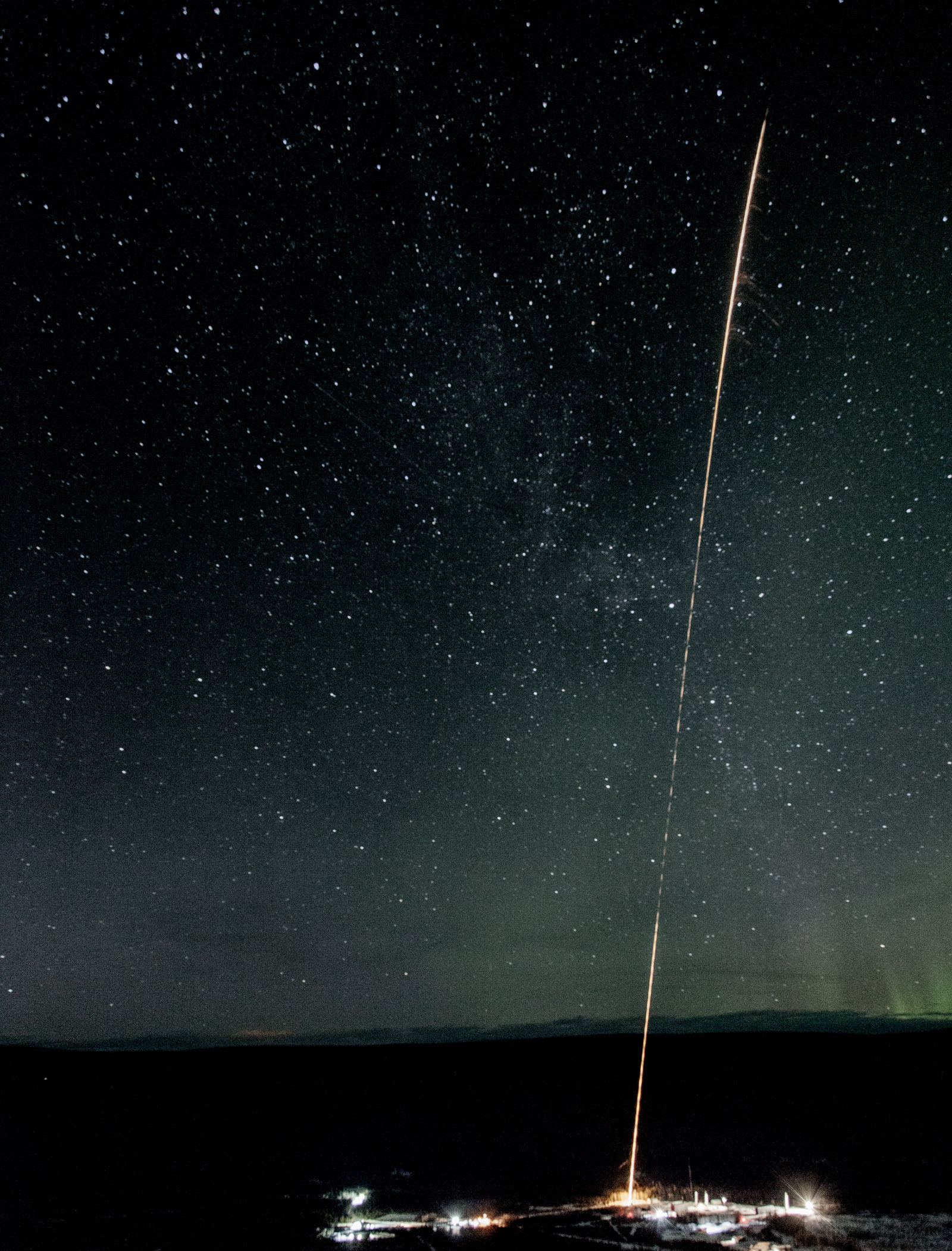
🇺🇸Originally designed to study Jupiter's interior and magnetic field, Juno's extended mission has taken it on close flybys of Ganymede, Europa, and Io — returning some of the most detailed images ever captured of Jupiter's volcanic moon. Its microwave radiometer has revealed Jupiter's famous bands extend thousands of kilometres deep. Now entering its final phase before deorbit.