Who's Up There Right Now
Live data via open-notify.org · Updates on page load
The International Space Station

Continuously Crewed Since November 2, 2000
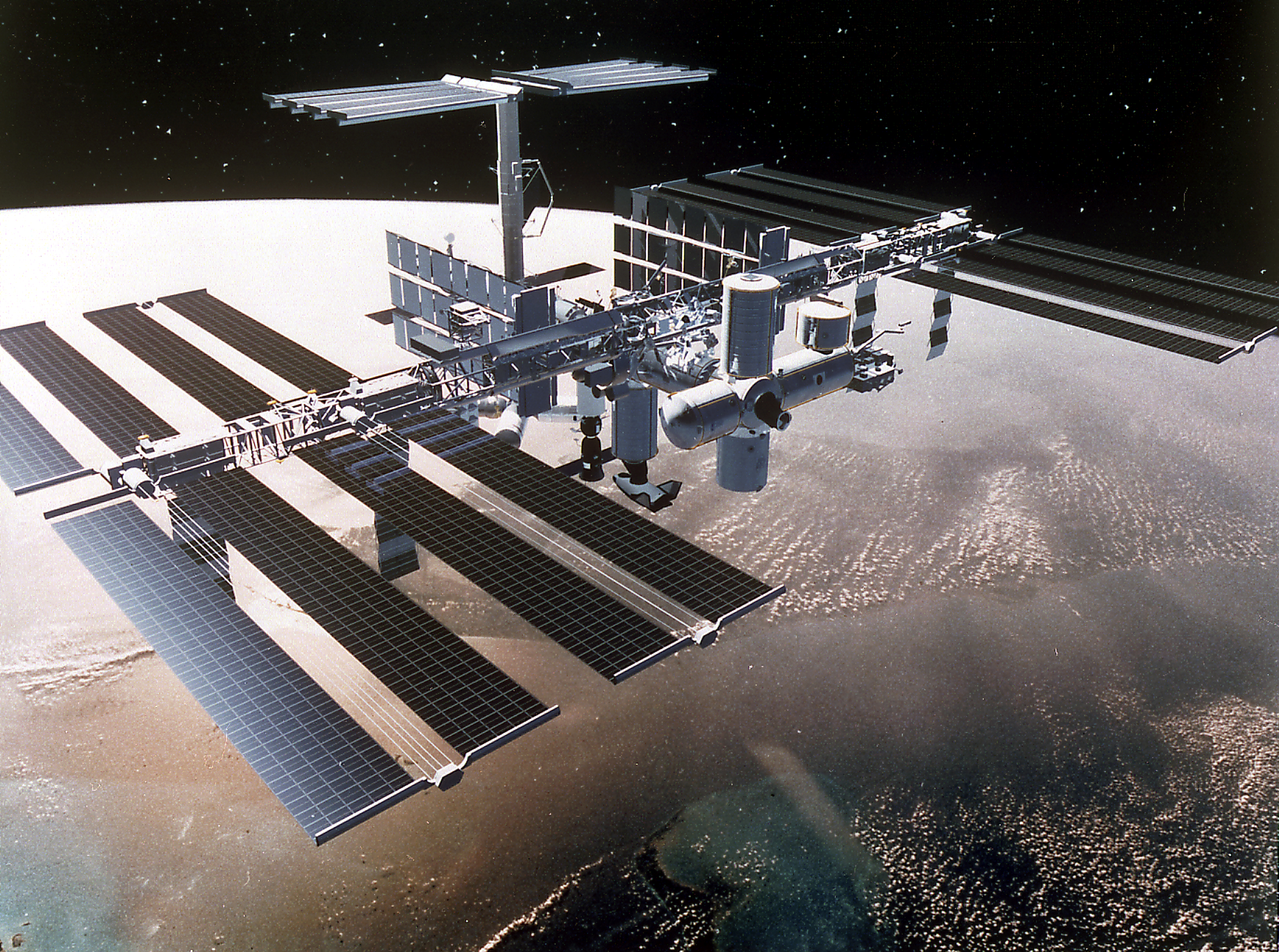
A football-field-sized orbital laboratory, assembled over 13 years from modules contributed by the US, Russia, Japan, Europe, and Canada. It is the longest continuously inhabited outpost in human history — more than 25 years without a single day unoccupied. Research aboard spans cancer biology, Parkinson's drug development, materials science, and fundamental physics impossible to replicate in Earth's gravity.
The ISS is scheduled to be deorbited around 2030. SpaceX has a contract to build the dedicated deorbit vehicle. A new generation of commercial stations — Axiom Space, Starlab, and Blue Origin's Orbital Reef — is being developed to fill the gap.
See Live ISS Data →
Crew Dragon — America's Crew Vehicle
Since its first crewed flight in May 2020, Crew Dragon has become the workhorse of American human spaceflight with an exceptional safety record. It carries NASA and international crews on six-month ISS rotations and flies all-private missions under the Axiom Space banner. SpaceX's contract extends through the end of the ISS program.
Boeing Starliner — A Cautionary Tale
Starliner left two NASA astronauts stranded at the ISS for eight months in 2024 due to helium leaks and thruster failures. They returned on a SpaceX Crew Dragon. NASA classified the incident in its most serious failure category. The next Starliner mission was converted to uncrewed cargo. A crewed return is not expected before 2027 at the earliest — a $1.5 billion cost overrun and an enormous reputational blow to Boeing's space division.
Artemis — The Return to the Moon
Artemis I — November 2022
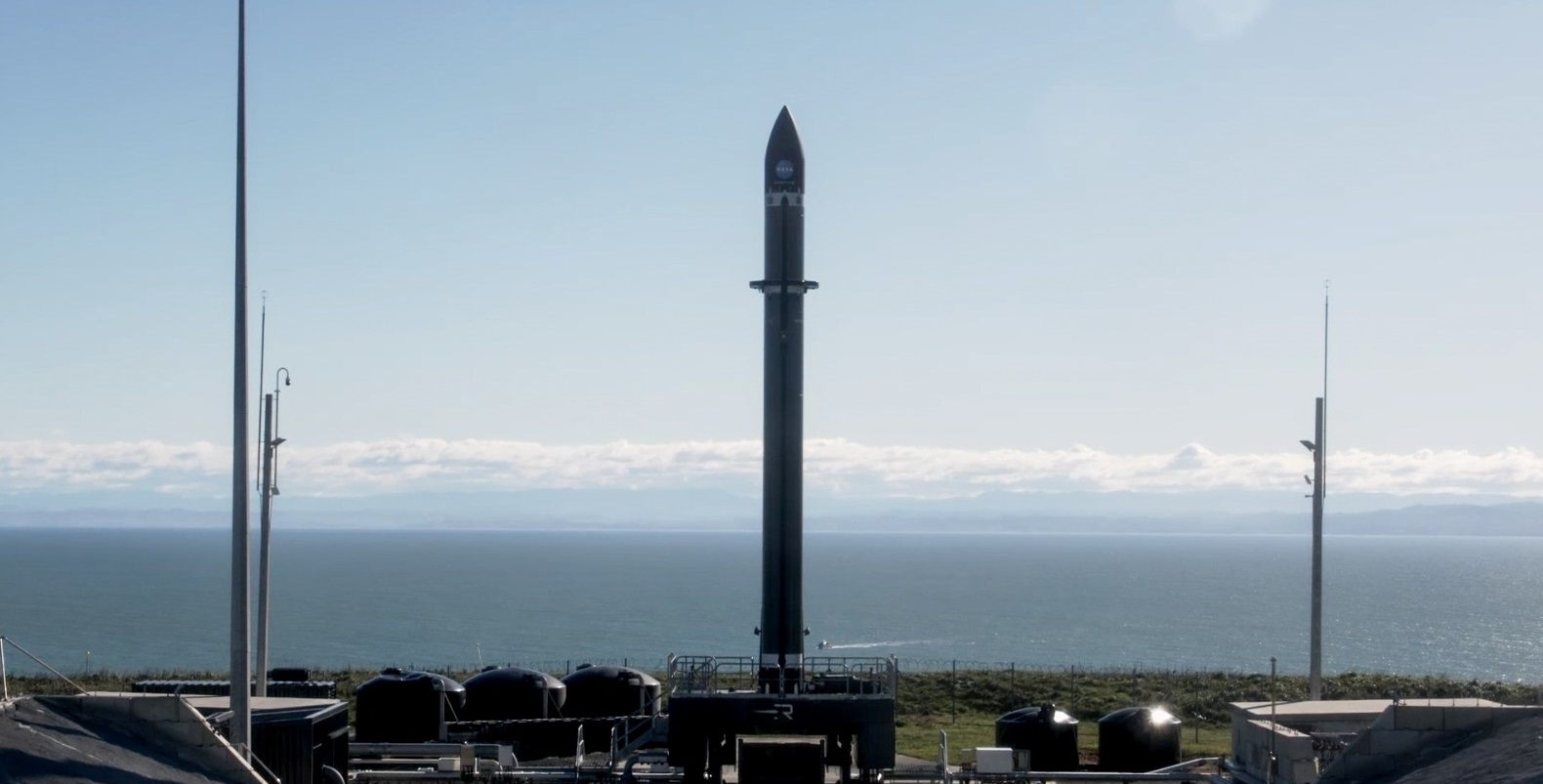
The first flight of the Space Launch System — the most powerful rocket to reach orbit — sent an uncrewed Orion on a 25-day loop around the Moon. Orion survived reentry at 2,760°C and splashed down on target. Every system needed for a crewed mission was validated.
Artemis II — April 1–10, 2026
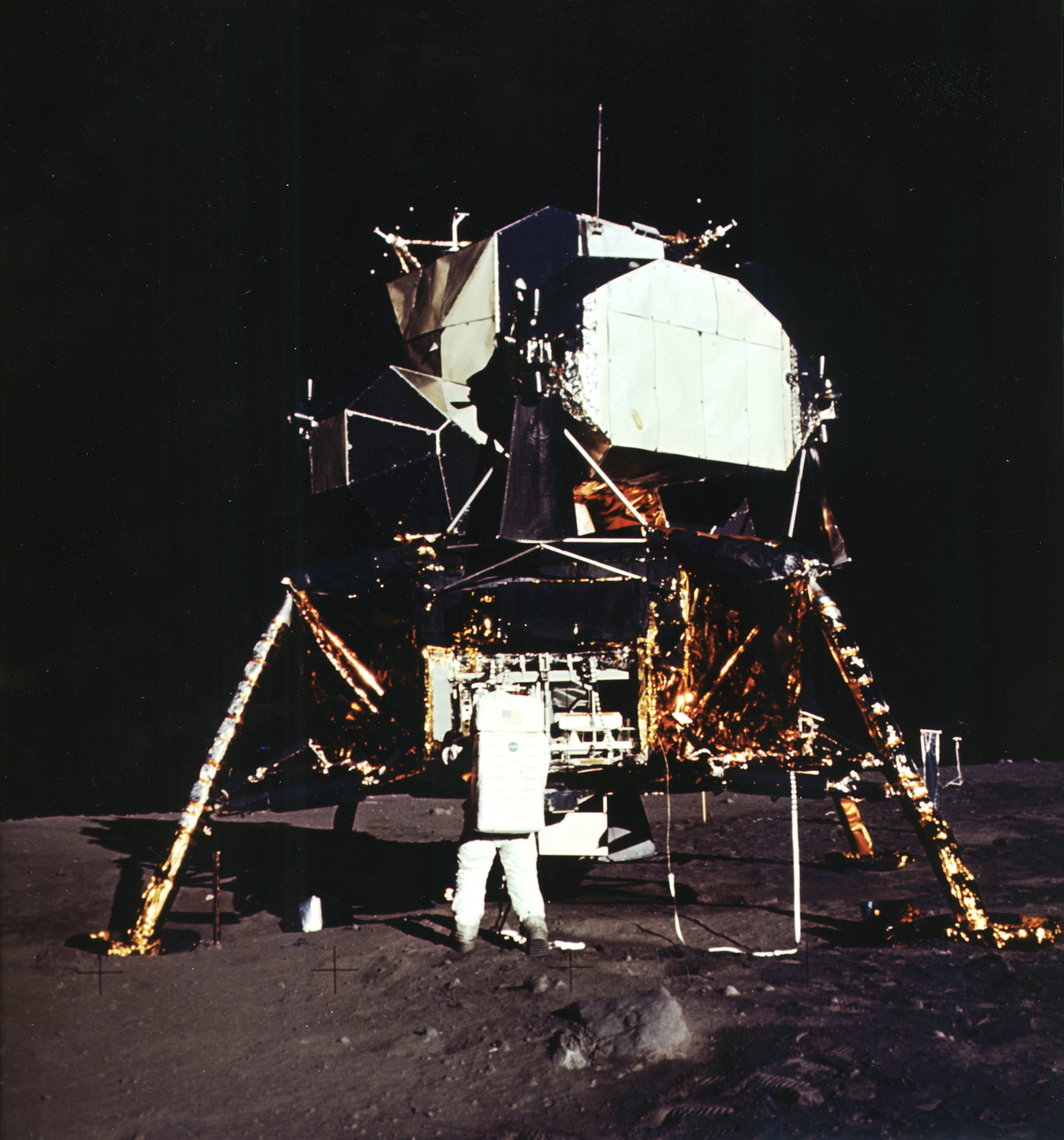
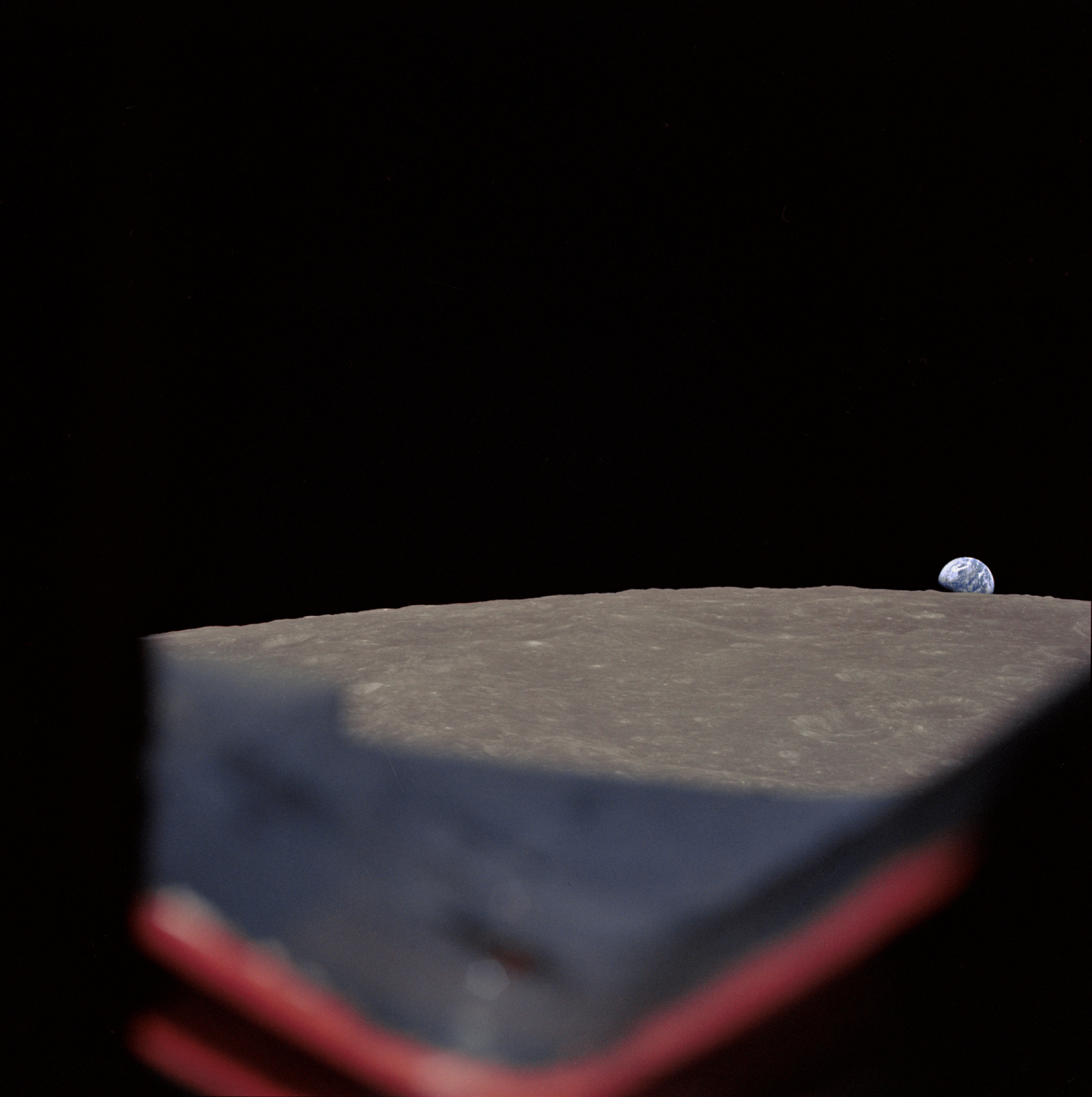
Reid Wiseman, Victor Glover, Christina Koch, and Canadian Jeremy Hansen became the first humans to travel to lunar distance since 1972. Over 10 days, their Orion capsule looped around the Moon before splashing down off San Diego. The first woman and first Black astronaut to reach lunar distance. Every crewed lunar landing system was verified in flight.
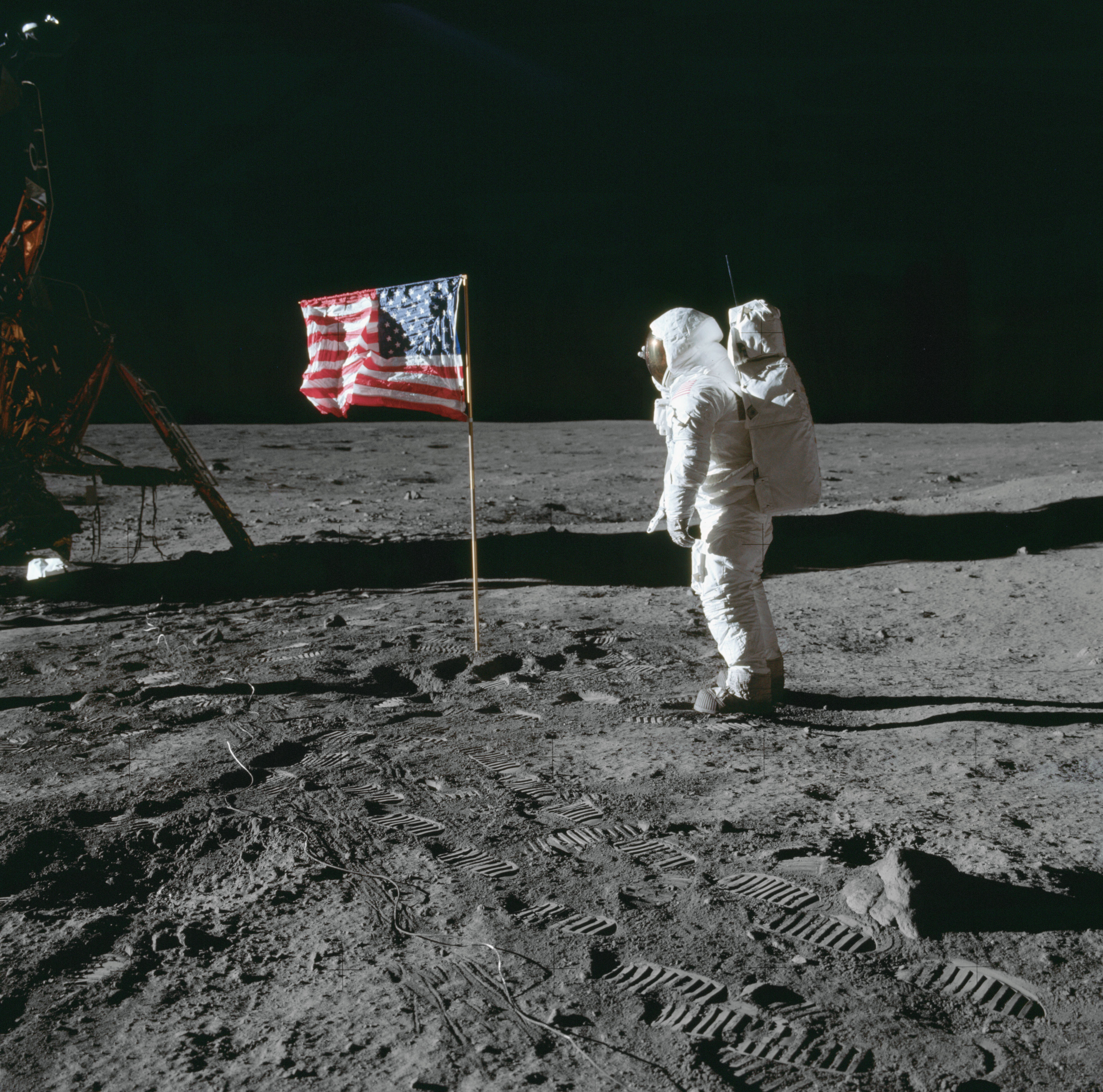
Artemis III — First Lunar Landing in 55 Years
Artemis III will land two astronauts near the lunar south pole using SpaceX Starship as the descent vehicle — the first Moon landing since Apollo 17. The mission will include the first woman and first person of color to walk on the Moon. South pole ice deposits could support a permanent human presence and eventually fuel deep-space missions. The Lunar Gateway station will follow, serving as a reusable orbital outpost for years of exploration.
See Full Roadmap →China's Human Spaceflight Program
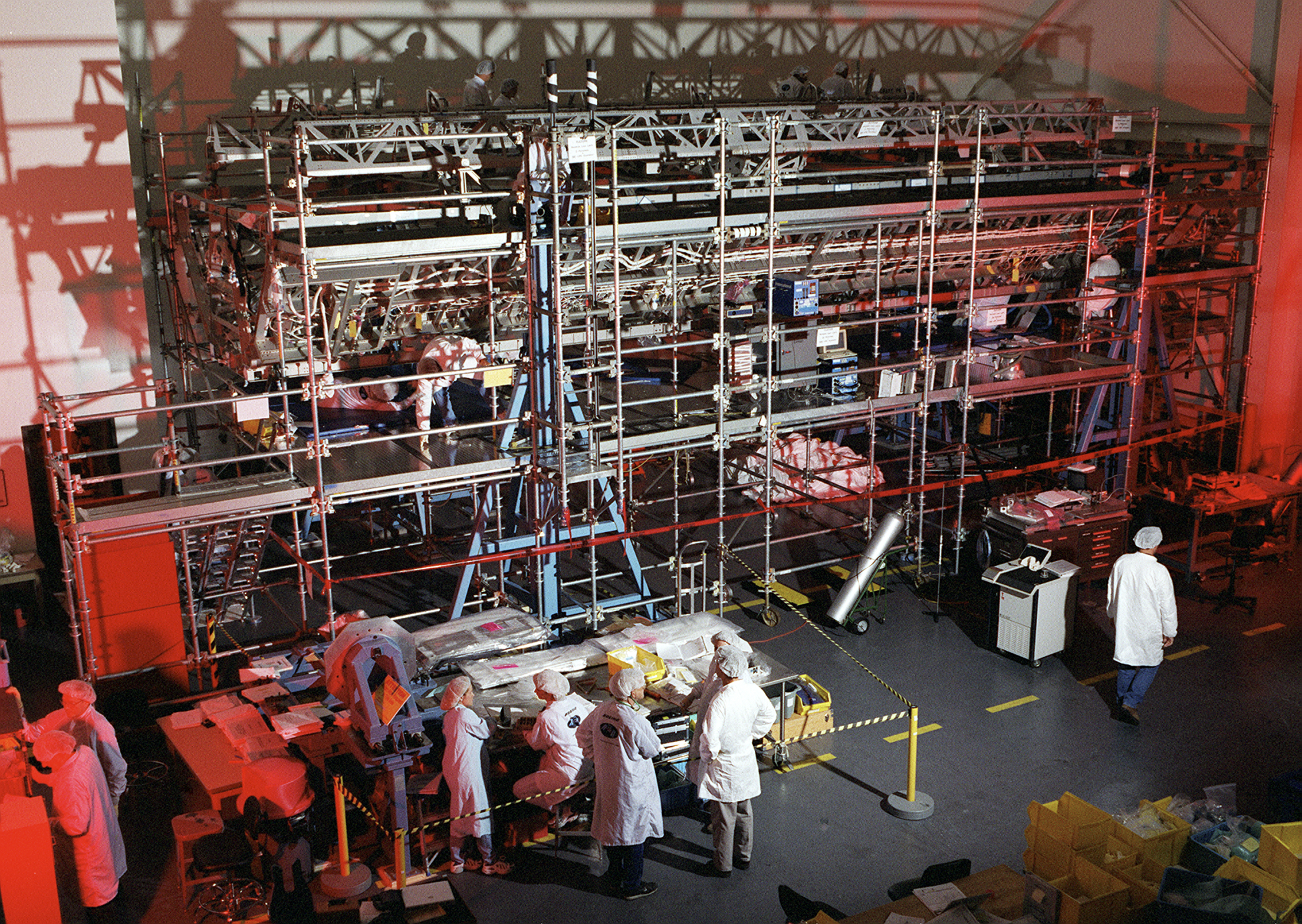
Tiangong Space Station
China completed its three-module orbital station in 2022 — entirely with domestic technology, after being excluded from the ISS program by US law. Tiangong maintains a permanent crew of three taikonauts on six-month Shenzhou rotations. A large co-orbiting telescope, Xuntian (comparable to Hubble's field of view but 300× larger survey area), is set to launch in 2027 and dock with Tiangong for servicing.
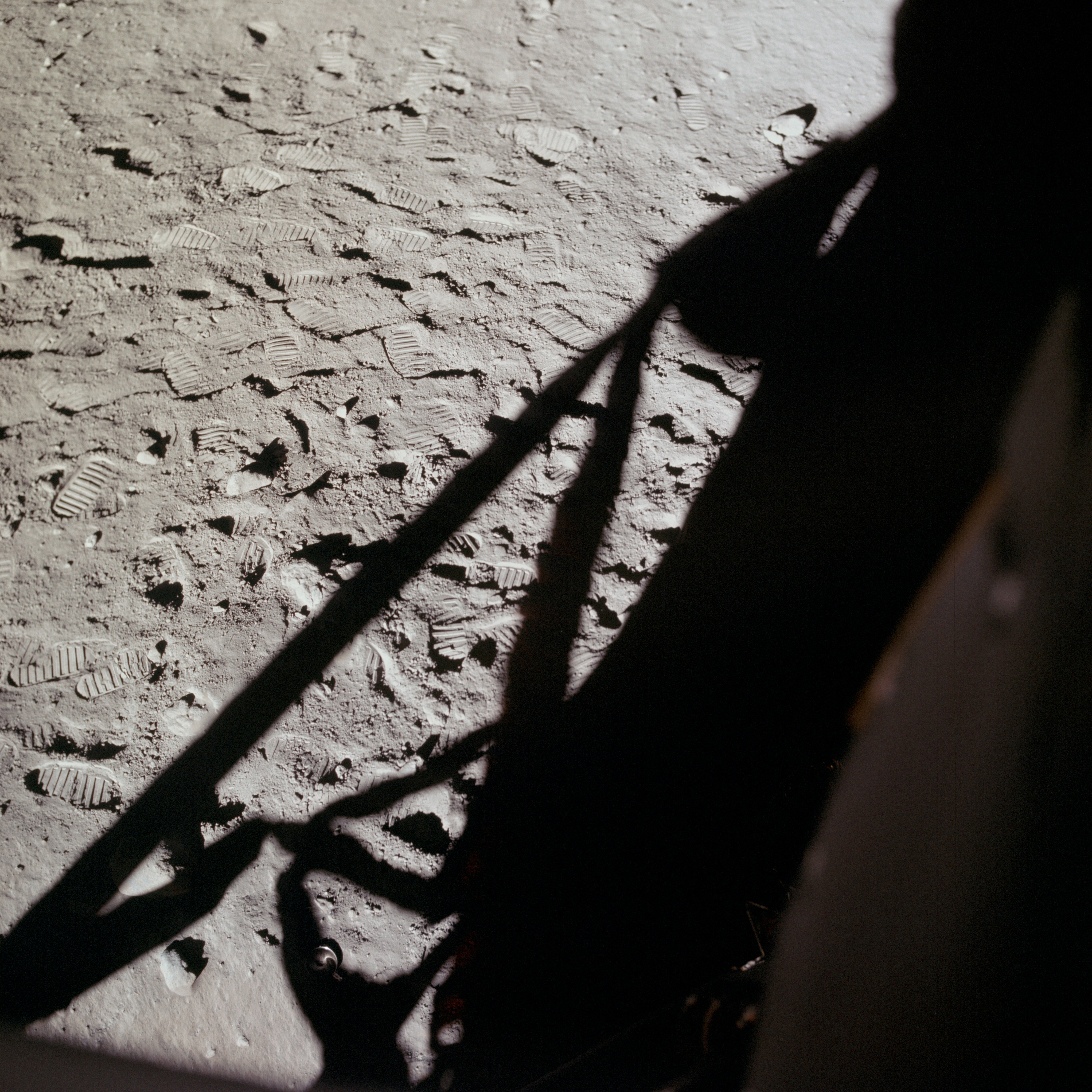
Taikonauts on the Moon
China's crewed lunar program is built on a foundation of successful robotic missions — Chang'e 5 returned Moon samples in 2020, and Chang'e 6 achieved the historic first sample return from the lunar far side in 2024. The Long March 10 super-heavy rocket and a new crewed capsule are in development. China aims to land taikonauts on the Moon before 2030, putting it in direct competition with NASA's Artemis III timeline.
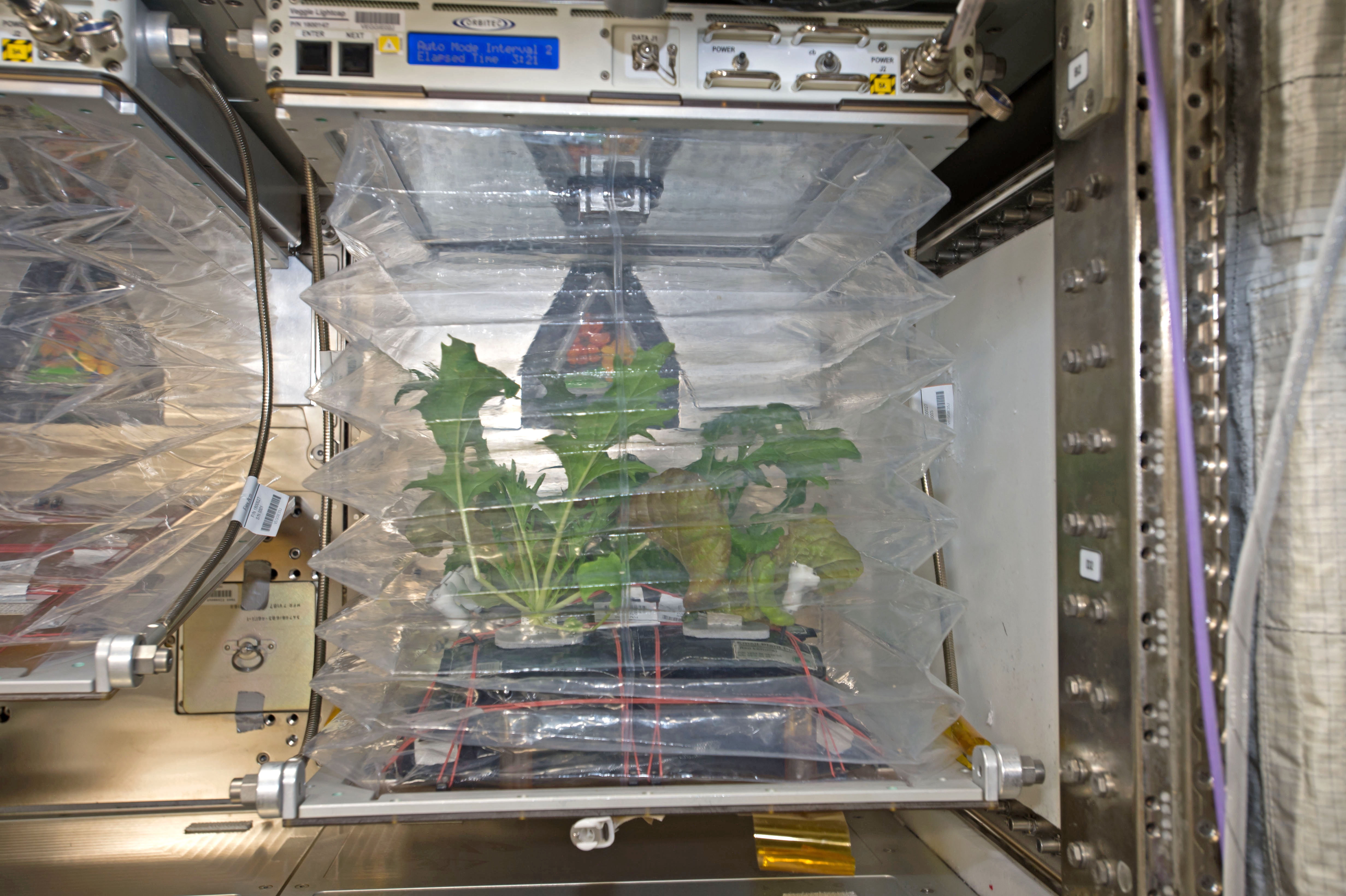
Lunar Palace 365 — China's Analog Habitat
Beihang University's "Lunar Palace" (月宫一号) is a sealed, self-sustaining habitat in Beijing where volunteers live for months at a time, simulating a Moon or Mars base. In the Lunar Palace 365 experiment, four students spent 370 days inside — growing food, recycling waste, and maintaining closed-loop life support, with zero outside input. It remains one of the longest analog isolation experiments in the world and feeds directly into China's crewed lunar program.
Learn More ↗India — Gaganyaan and Beyond
Gaganyaan — India's First Crewed Mission
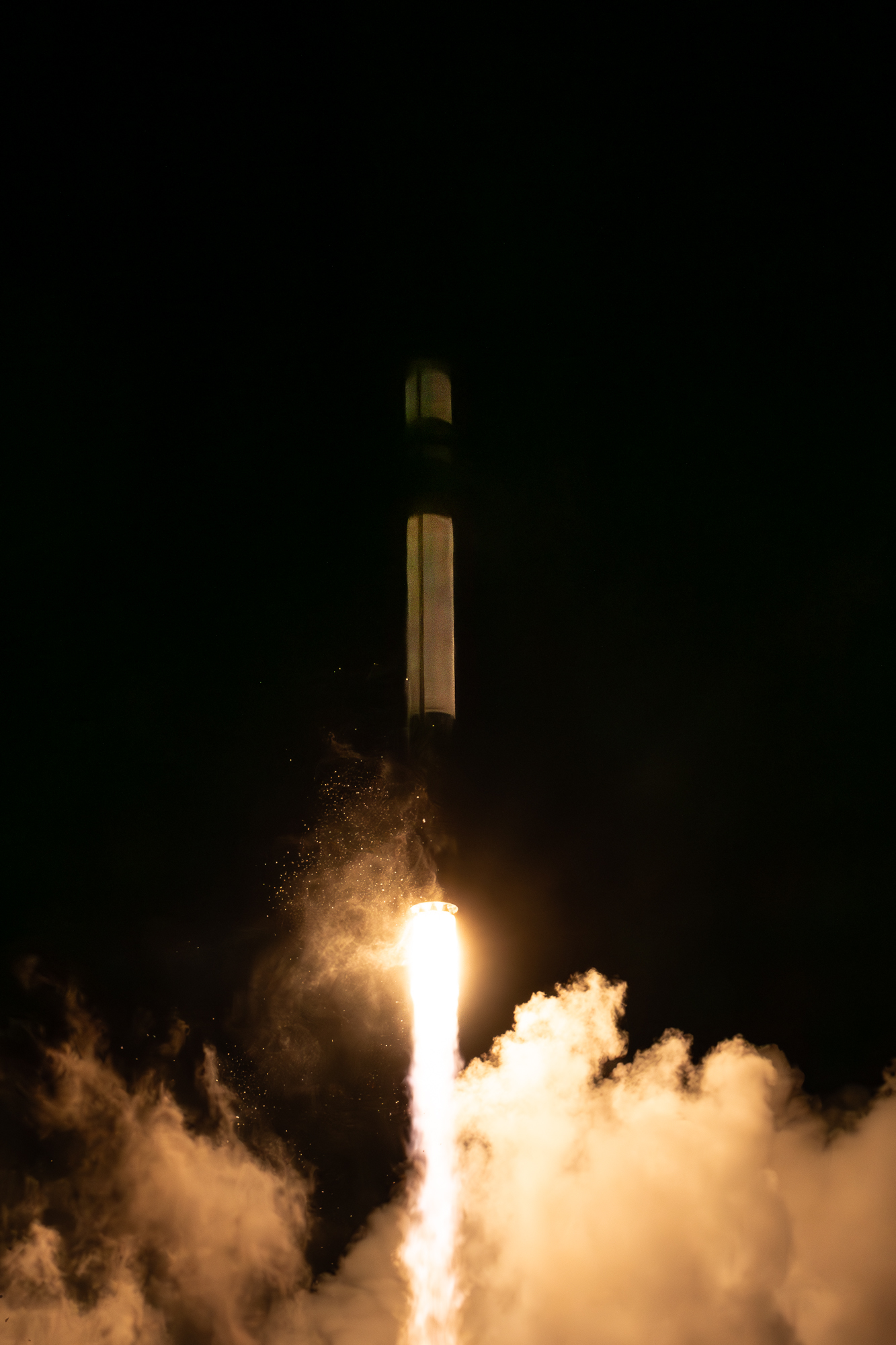
India's crewed spaceflight program will make it only the fourth nation to independently launch humans to orbit. Gaganyaan will carry three astronauts (called Vyomanauts) to a 400 km orbit for up to three days aboard an ISRO-built capsule atop the LVM3 rocket. Uncrewed test flights are underway, with a crewed mission targeted for 2026–2027. Four Indian Air Force pilots selected as the first Vyomanauts trained at Russia's Gagarin Cosmonaut Training Center.
Bharatiya Antariksha Station — India's Own Space Station
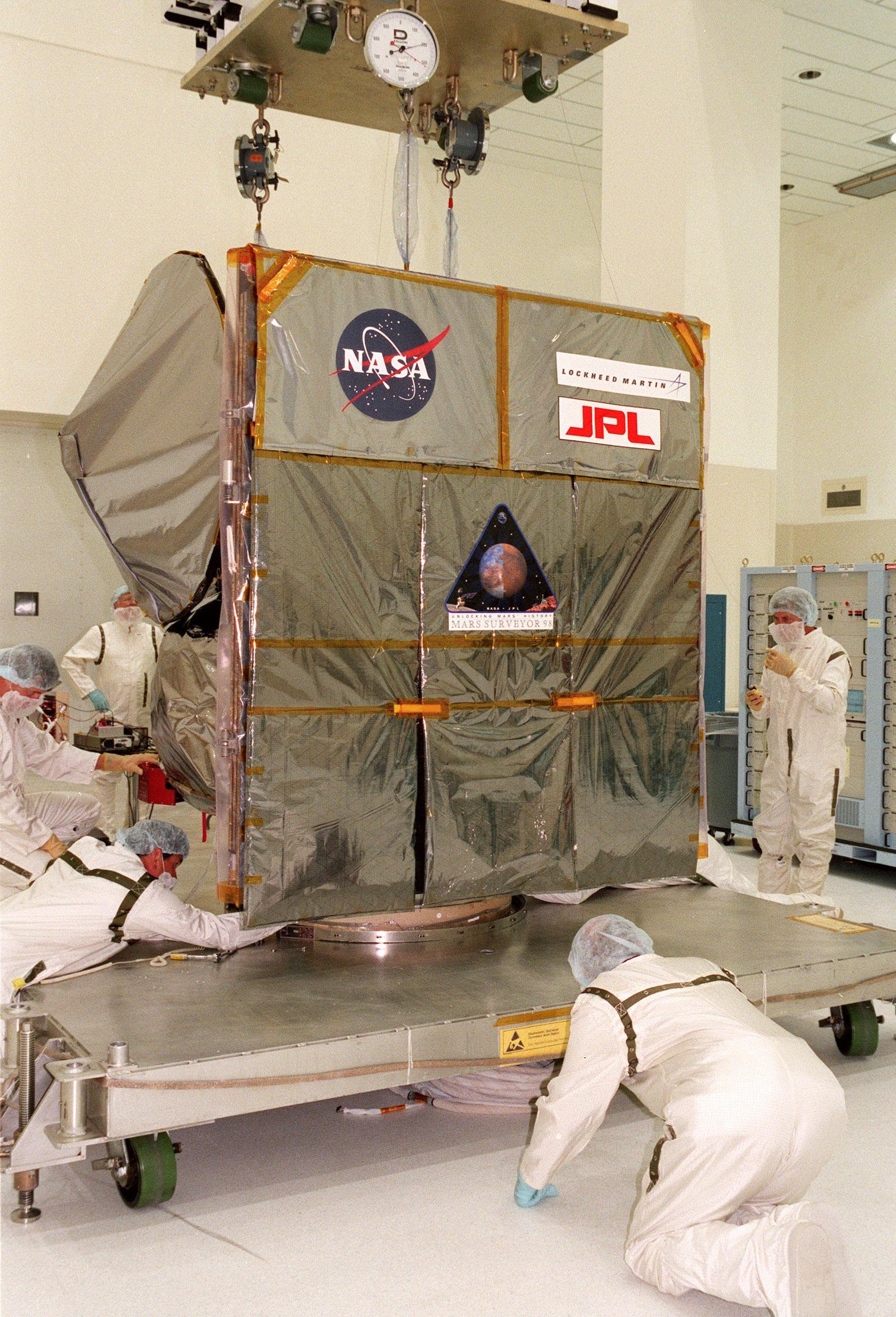
Following Gaganyaan, India plans to operate its own orbital station by 2035. The Bharatiya Antariksha Station (BAS) would be a 52-tonne, modular outpost in a 400–450 km orbit. If successful, India would become one of only three nations to independently operate a crewed space station — alongside the US and China. ISRO is also exploring a lunar landing mission for 2040.
Russia — Cosmonaut Legacy, Uncertain Future
Soyuz & the ISS Russian Segment
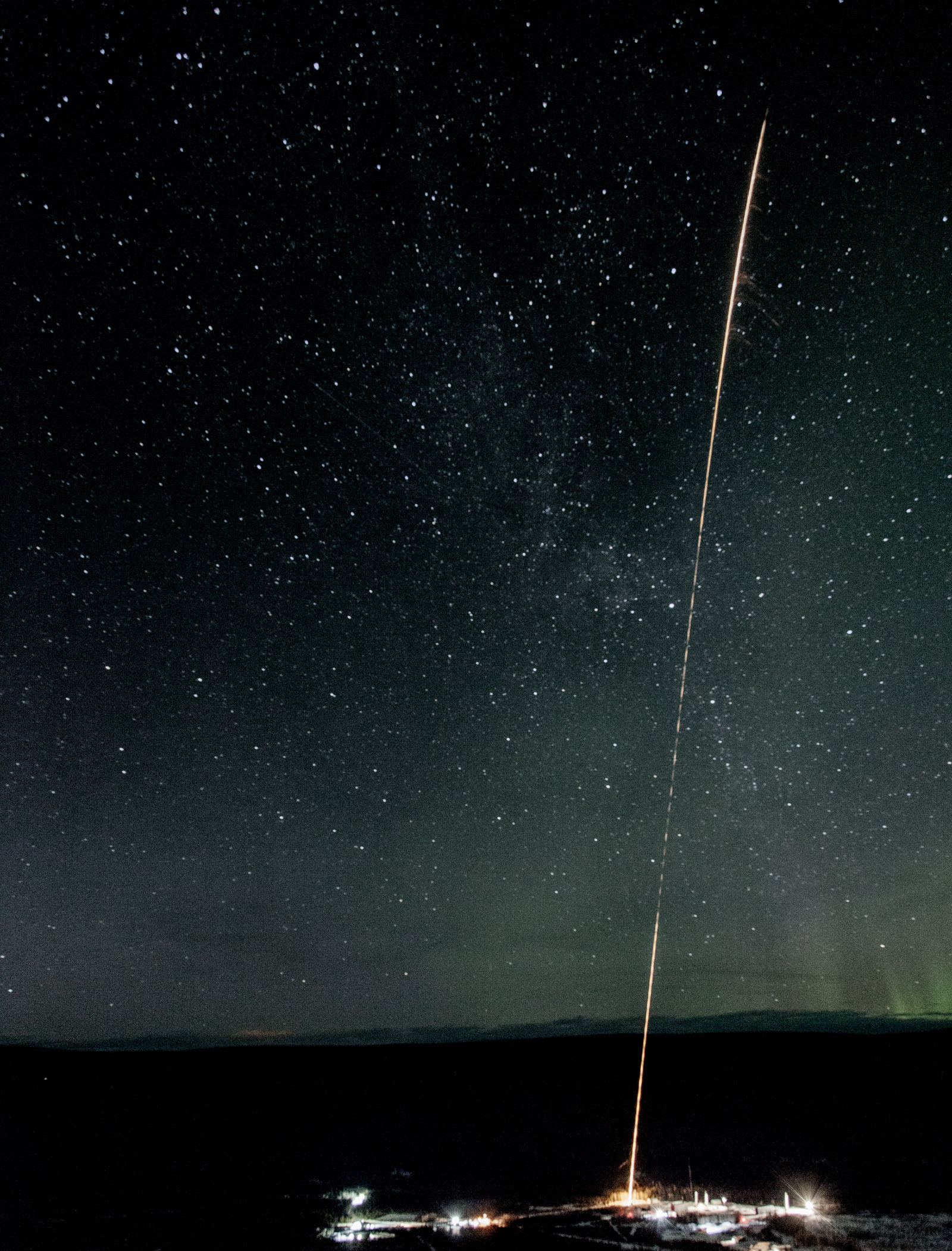
Russia's Soyuz capsule has been flying cosmonauts since 1967 and was the only human-rated vehicle reaching the ISS from 2011 to 2020 — during which NASA paid up to $90M per seat. Cosmonauts continue rotating to the ISS Russian segment, though the geopolitical fallout from the 2022 Ukraine invasion has severely strained the partnership. Russia has stated plans to exit the ISS program after 2024, though exact timing remains fluid.
ROSS — Russia's Solo Station
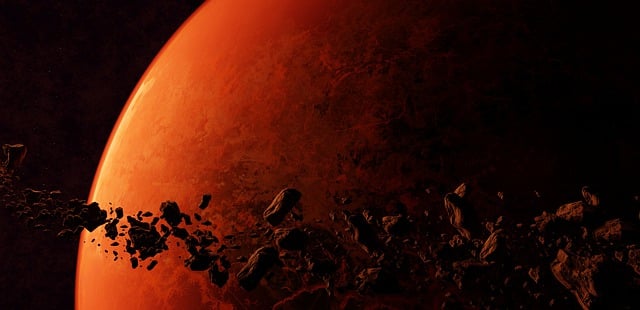
Russia's proposed replacement for ISS participation is ROSS (Russian Orbital Service Station), a domestic station planned for a polar orbit — unusual enough to monitor the entire Earth's surface, including the Arctic. First modules have been discussed for the late 2020s but no confirmed launch dates exist. Funding constraints and Western sanctions on the Russian space program make the timeline highly uncertain.
Earth as a Training Ground — Analog Missions
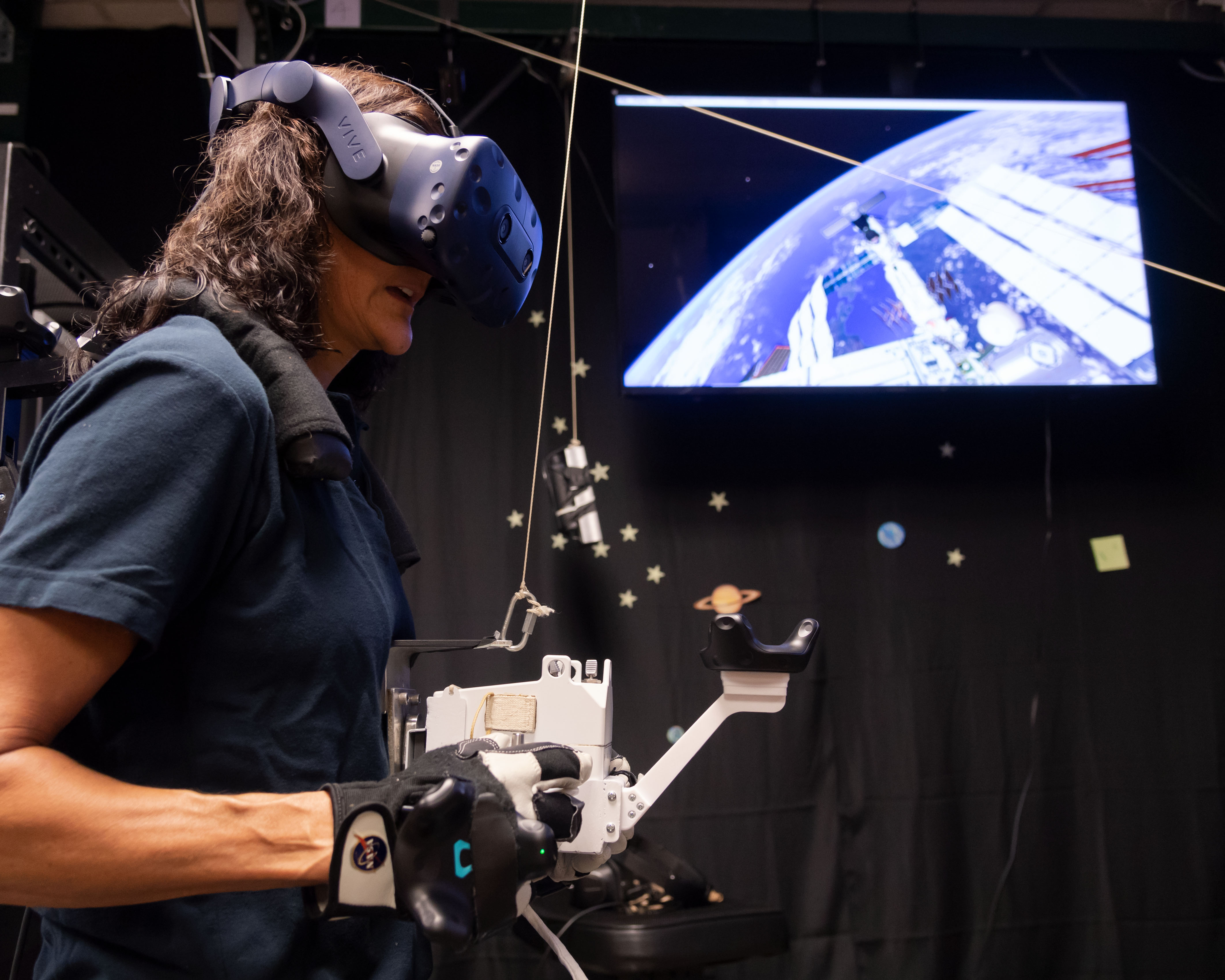
NEEMO — Underwater Astronauts
NASA's Extreme Environment Mission Operations (NEEMO) sends crews to Aquarius — the world's only undersea research station, 19 meters down off Key Largo, Florida. Aquanaut-astronauts simulate spacewalks, test tools for lunar and Mars surface ops, and experience isolation and confinement closely analogous to spaceflight. Crews from the US, Canada, Japan, and Europe have all participated since 2001.
NASA NEEMO ↗
HERA — Mars in a Building
NASA's Human Exploration Research Analog (HERA) at Johnson Space Center isolates four-person crews inside a two-story habitat for up to 45 days. Crews carry out simulated deep-space missions with realistic communication delays, emergency scenarios, and psychological monitoring. The data feeds directly into NASA's planning for long-duration Mars missions — what breaks first, what stresses people out, what keeps them alive.
NASA HERA ↗
HI-SEAS — Living on a Lava Field
The Hawaii Space Exploration Analog and Simulation plants crews in a dome habitat on the barren slopes of Mauna Loa, one of Earth's most Mars-like landscapes. Crews spend four to twelve months in full isolation — EVA suits required to go outside, rationed food, simulated comms delay. HI-SEAS missions have studied loneliness, conflict, creativity, and leadership under conditions designed to mirror the psychological reality of a Mars mission.
HI-SEAS ↗
MDRS — Mars in Utah
The Mars Desert Research Station in southern Utah is the world's most active Mars analog — running volunteer crews year-round since 2002. Scientists, engineers, and students from dozens of countries spend two weeks living and working as if on Mars: simulated EVAs in the canyon badlands, growing food in a small greenhouse, and operating with minimal outside support. The Mars Society runs it, and applications are open internationally.
Apply to MDRS ↗
Concordia — ESA's Antarctic Outpost
Concordia Station, 3,200 meters up on the Antarctic plateau, is one of the most extreme environments on Earth. Winters mean four months of total darkness, temperatures to −80°C, and complete isolation — no evacuation possible. ESA sends medical officers there to study how humans cope: sleep disruption, vitamin D loss, immune changes, and psychological dynamics. The findings go directly into astronaut health protocols for long-duration deep space missions.
ESA Concordia ↗
JAXA SEAL — Japan's Isolation Analog
JAXA's Space Environment Analog for Living (SEAL) is a closed-habitat isolation facility in Japan used to study crew dynamics, workload management, and mental health in long-duration confinement. Teams of four are locked in for extended periods with monitored tasks, simulated emergencies, and limited external communication. Japan's research is particularly focused on human factors for a multicultural international crew on a Mars mission — something no existing dataset fully addresses.
JAXA Human Space ↗
SIRIUS — Russia-US Mars Isolation Series
Despite deteriorating political relations, Russian and American scientists continue collaborating on the SIRIUS (Scientific International Research In Unique Terrestrial Station) project at Moscow's Institute of Biomedical Problems. Six-person international crews spend 4, 8, and 12 months in isolation, simulating a crewed Mars flyby or landing mission. SIRIUS builds on the legacy of Mars-500, a 520-day isolation study completed in 2011 that remains the longest Mars mission simulation ever run.
CHAPEA — NASA's 3D-Printed Mars Habitat
NASA's Crew Health and Performance Exploration Analog (CHAPEA) is a 3D-printed, 158-square-meter Mars surface habitat at Johnson Space Center — built by ICON using the same construction technology proposed for an actual Mars base. Crews of four live inside for one year, performing simulated Mars EVAs, growing food, and working under resource constraints. Three one-year missions are planned; Mission 1 concluded in 2024. The data shapes life support, nutrition, and workload standards for actual Mars exploration.
NASA CHAPEA ↗Training the Next Generation — Space Camps Around the World
US Space & Rocket Center — Huntsville, AL
The original Space Camp, running since 1982. Over 800,000 alumni, including multiple astronauts. Programs run from age 7 through adult. The Advanced Space Academy offers serious STEM immersion over multiple days, with shuttle simulators, underwater EVA training, and mission simulations.
spacecamp.com ↗JAXA Space School — Japan
JAXA runs public education programs and hands-on space camps for Japanese students at its Tsukuba Space Center and Sagamihara campus. Youth participants work with real mission data, visit control rooms, and participate in robotics challenges mirroring JAXA's actual planetary programs including Hayabusa sample-return missions.
JAXA Education ↗ISRO Young Scientist Programme (YUVIKA)
India's national program for school students — selected through academic merit across all states, with special focus on rural students. Participants spend three weeks at ISRO centers including the Vikram Sarabhai Space Centre and Satish Dhawan Space Centre, working alongside scientists and watching launches. YUVIKA graduates are explicitly part of India's pipeline for the next generation of ISRO scientists.
ISRO YUVIKA ↗China Aerospace Science & Technology Camp
CASC and CNSA run youth space education programs across China, including camps at the Wenchang Spacecraft Launch Site and the Beijing Aerospace Control Center. Programs focus heavily on rocketry, satellite technology, and taikonaut life. The Chinese government has explicitly tied space education to national development goals, with space literacy embedded in middle and high school curricula.
UAE Space Camp — Mohammed Bin Rashid Space Centre
Following the Hope Probe's successful Mars mission in 2021, the UAE launched its own national space education infrastructure. MBRSC runs youth programs and has an active Astronaut Programme — selecting from the general public. Hazza Al Mansoori became the first Emirati in space in 2019; Nora Al Matrooshi became the first Arab woman in astronaut training in 2021.
MBRSC ↗Korea Aerospace Research Institute — Youth Program
KARI runs education programs tied to South Korea's growing space program, which achieved a successful domestic orbital launch (Nuri rocket) in 2023 and sent its first mission to the Moon (Danuri orbiter, 2022). Youth programs focus on satellite design, rocketry, and Korea's ambition to land on the Moon by 2032.
KARI ↗ESA — Space for Kids & CanSat
The European Space Agency runs CanSat — a competition for secondary school students to design, build, and launch a small satellite the size of a soda can. Teams across 20+ ESA member states compete annually. ESA also partners with national space agencies across Europe on youth education programs, with particular depth in Germany, France, Italy, and the Netherlands.
ESA CanSat ↗ISU — International Space University
The most prestigious civilian space education institution in the world. Each summer, ISU runs its Space Studies Program — a 9-week intensive in a different country each year, bringing together 120+ professionals from 30+ nations for an interdisciplinary deep dive into space science, policy, engineering, and business. Alumni include astronauts, agency directors, and CEOs from every major space nation.
ISU ↗What Comes After the ISS — Commercial Stations
Axiom Station — Attached, Then Independent
Axiom's first module will attach to the ISS before the station's retirement, then detach to become a free-flying commercial station. Axiom already flies private crews to the ISS (Axiom Mission 1, 2, 3, 4 completed). Its station is designed to carry on ISS-era research with commercial and national clients, and to host national space agencies that can't afford their own stations — including Saudi Arabia and other emerging space nations.
Axiom Space ↗
Starlab — Single-Launch Station
Starlab (Voyager Space in partnership with Airbus) is designed to launch as a single, inflatable unit — no multi-year assembly required. It would house four astronauts and provide dedicated research volume comparable to the ISS US segment. George Washington University is already signed as a research partner. Target: operational by 2028.

Orbital Reef — Blue Origin's Mixed-Use Station
Blue Origin's Orbital Reef concept is designed as a "mixed-use business park" in low Earth orbit — habitation, research, manufacturing, and even space tourism under one roof. Sierra Space contributes inflatable habitat modules (LIFE). The station targets a crew of ten and is positioned as a commercial hub accessible to multiple nations, companies, and eventually private citizens.
NASA: Astronomy Picture of the Day
Live via NASA APOD API · Free public API
Keep Exploring
See what's flying right now, who's planning what for the next decade, or dive into the science behind the missions.
Active Missions → Future Missions →